Looking for Allergy, Asthma, or Eczema Care?
Asthma Treatment
Asthma Treatment at Allergy, Asthma, and Eczema Care of Queens in Forest Hills, Astoria, Ozone Park, and Jamaica, NY
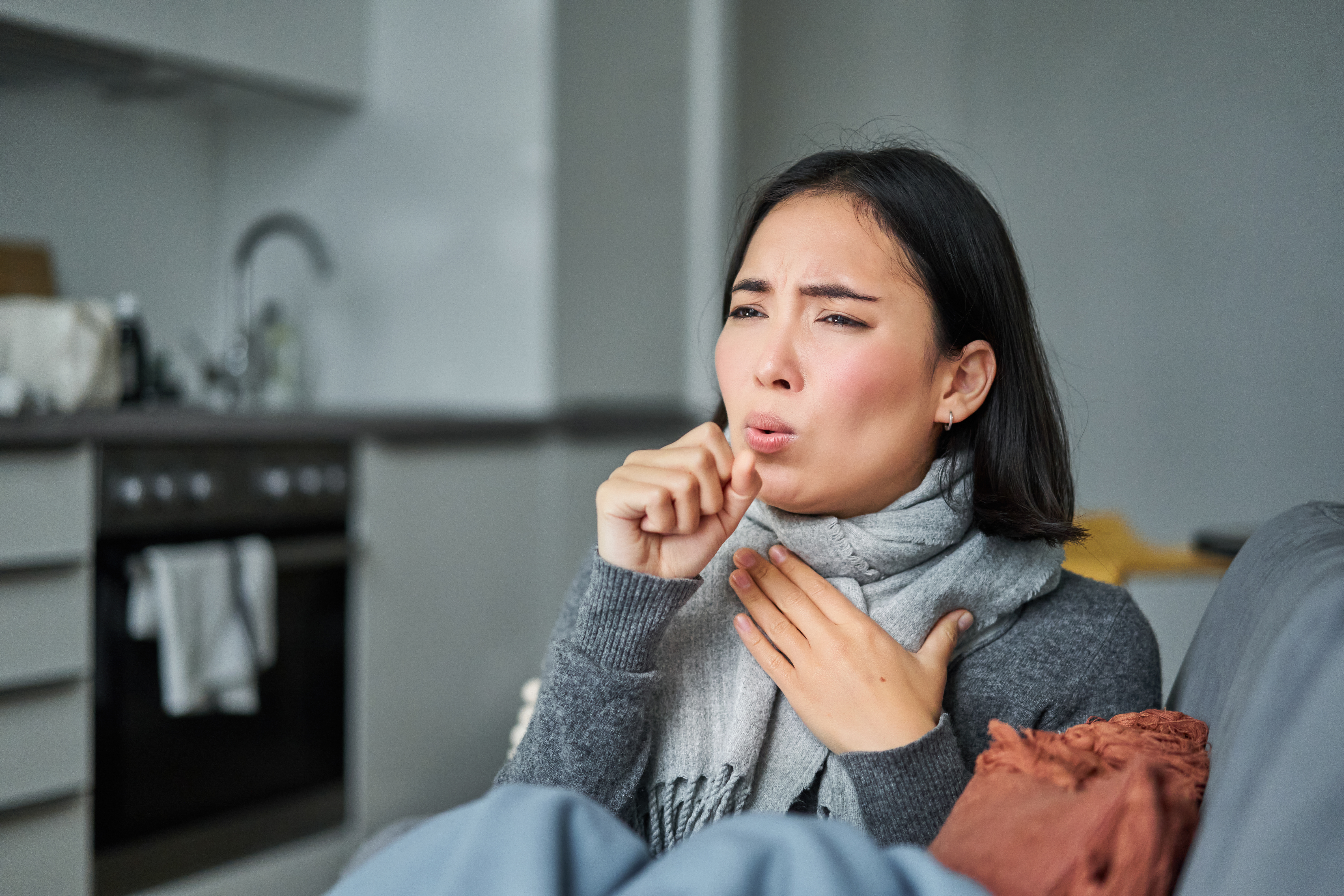
At Allergy, Asthma, and Eczema Care in Forest Hills, Astoria, Ozone Park, and Jamaica, NY, we are dedicated to providing comprehensive and personalized asthma care for our patients. Whether you're struggling with asthma symptoms during seasonal changes or experiencing more frequent flare-ups, we offer advanced asthma treatment options to help you breathe easier and manage your condition effectively. Our practice serves Forest Hills, Astoria, Ozone Park, and Jamaica, NY, ensuring that everyone in the local community has access to expert asthma care.
Asthma can affect people of all ages, and symptoms can vary from mild to severe. Effective asthma treatment can help reduce the frequency of attacks and improve your overall quality of life. At Allergy, Asthma, and Eczema Care, our team works with you to develop a treatment plan tailored to your specific needs, combining medications, lifestyle changes, and allergy management to provide the best results.
What is Asthma and How Does it Affect the Body?
Asthma is a chronic condition that affects the airways in the lungs. When someone has asthma, their airways become inflamed and narrow, making it difficult to breathe. This can lead to wheezing, coughing, shortness of breath, and chest tightness. Asthma symptoms can be triggered by various factors, including:
- Allergens (e.g., pollen, dust mites, pet dander)
- Exercise
- Cold air
- Respiratory infections
- Air pollution or smoke
Asthma can range from mild to severe, and while the symptoms are treatable, there is no cure for asthma. The goal of asthma treatment is to control symptoms, prevent attacks, and improve quality of life.
What Are the Different Types of Asthma Treatment?
There are several asthma treatments available, and the right treatment plan will depend on the severity of your asthma and the factors triggering your symptoms. Common treatments include:
1. Inhalers:
- Reliever inhalers (bronchodilators) help open the airways during an asthma attack.
- Preventer inhalers (steroids) reduce inflammation in the airways over time to prevent symptoms.
2. Oral Medications:
- Leukotriene modifiers and oral steroids can help manage asthma symptoms, especially if inhalers are not sufficient.
3. Nebulizers:
- A nebulizer is a device that delivers asthma medication in mist form, making it easier for patients to inhale the medication.
4. Biologic Therapy:
- For severe asthma, biologic medications may be prescribed to target specific immune system factors involved in asthma attacks.
At Allergy, Asthma, and Eczema Care, we offer a range of treatments designed to suit your needs and provide relief from asthma symptoms.
How Do I Know if My Asthma Treatment is Working?
It is essential to monitor how well your asthma treatment is working, and there are several indicators to help you track your progress:
- Reduced symptoms: You should experience fewer asthma symptoms like coughing, wheezing, and shortness of breath.
- Improved lung function: Regular spirometry tests can help assess lung function and determine how effectively your asthma is being managed.
- Fewer asthma attacks: A well-managed asthma treatment plan should reduce the frequency and severity of asthma flare-ups.
- Better sleep quality: Asthma should not interfere with your sleep. A reduction in nighttime symptoms indicates that treatment is working.
If you notice that your asthma symptoms are not improving or are getting worse, it's essential to revisit your treatment plan with your asthma care provider at Allergy, Asthma, and Eczema Care.
What Lifestyle Changes Can Help Manage Asthma?
In addition to medication, certain lifestyle changes can help you manage asthma symptoms and reduce the frequency of flare-ups. These include:
- Avoiding asthma triggers: Identify and avoid things that worsen your asthma, such as allergens, tobacco smoke, and strong odors.
- Regular exercise: While some people may experience exercise-induced asthma, maintaining an active lifestyle can help improve lung function over time. Always consult your doctor before starting a new exercise program.
- Staying hydrated: Drinking plenty of water helps keep your airways moist and may reduce the risk of irritation.
- Managing stress: Stress can trigger asthma symptoms. Practice relaxation techniques such as deep breathing or meditation to help manage stress levels.
By incorporating these lifestyle changes into your routine, you can improve your asthma management and reduce the frequency of asthma attacks.
When Should I Seek Emergency Care for Asthma?
While most asthma symptoms can be managed with medication, there are times when you may need immediate medical attention. Seek emergency care if you experience:
- Severe difficulty breathing that does not improve with your inhaler or medication
- Rapid breathing or trouble speaking due to shortness of breath
- Chest tightness that is severe or persistent
- Blue lips or face, indicating a lack of oxygen
If you're ever in doubt, it's essential to seek emergency medical care as soon as possible. At Allergy, Asthma, and Eczema Care, we can provide you with an asthma action plan that helps you manage your condition and know when to seek medical attention.
Why Choose Allergy, Asthma, and Eczema Care for Asthma Treatment?
At Allergy, Asthma, and Eczema Care in Forest Hills, Astoria, Ozone Park, and Jamaica, NY, we specialize in personalized asthma treatment plans designed to meet the unique needs of each patient. Whether you're experiencing mild symptoms or dealing with more severe asthma, we provide comprehensive care, including diagnosis, treatment, and ongoing management. Serving Forest Hills, Astoria, Ozone Park, and Jamaica, NY, our goal is to help you breathe easier and improve your quality of life.
If you're struggling with asthma or looking to improve your asthma management plan, contact us today to schedule a consultation. Our experienced team is here to help you live better, with fewer asthma symptoms and more freedom.
Take the First Step Toward Better Health
Whether you're seeking Asthma Treatment, or looking for clarity about what may be triggering your reactions, let Allergy, Asthma, and Eczema Care of Queens be your trusted partner in care.
Experience care that’s personal, proactive, and centered around you.
References:
1. National Heart, Lung, and Blood Institute. (2021). Asthma Care Quick Reference: Diagnosing and Managing Asthma. Journal of Allergy and Clinical Immunology, 147(5), 1503-1512.
2. Global Initiative for Asthma (GINA). (2020). Global Strategy for Asthma Management and Prevention. Retrieved from https://www.ginasthma.org.
3. Bousquet, J., et al. (2019). Management of Asthma in Adults and Children: A Review of Current Treatment Options. Allergy, 74(3), 568-574.
Access The Convenient Care You Deserve
Get In Touch
Call, click, or visit — we’re here to help!
112-03 Queens Blvd Suite 209 Forest Hills, New York 11375
Get In Touch
Call, click, or visit — we’re here to help!
2381 38th Street, Astoria, NY 11106
Get In Touch
Call, click, or visit — we’re here to help!
10721 Queens Blvd Suite 2 (temporarily Suite 6) Forest Hills, NY 11375
Get In Touch
Call, click, or visit — we’re here to help!
100-02 Rockaway Blvd Second Floor, Ozone Park, NY 11417
Get In Touch
Call, click, or visit — we’re here to help!
147-17 Jamaica Ave, Jamaica, NY 11435
Our Promise to You
To provide advanced, personalized care with skill, compassion, and respect—every time you visit. You’re not just a condition to treat; you’re a whole person with unique goals and challenges, and we’re here to help you overcome them.
We’re committed to serving our community with integrity and heart, combining innovation with genuine connection—because true healing goes beyond checklists.


© 2026 Allergy, Asthma, and Eczema Care of Queens | Accessibility | Terms & Conditions | Privacy Policy | Powered by DoctoGrow