Looking for Allergy, Asthma, or Eczema Care?
Hay Fever Treatment
Hay Fever Treatment at Allergy, Asthma, and Eczema Care of Queens in Forest Hills, Astoria, Ozone Park, and Jamaica, NY
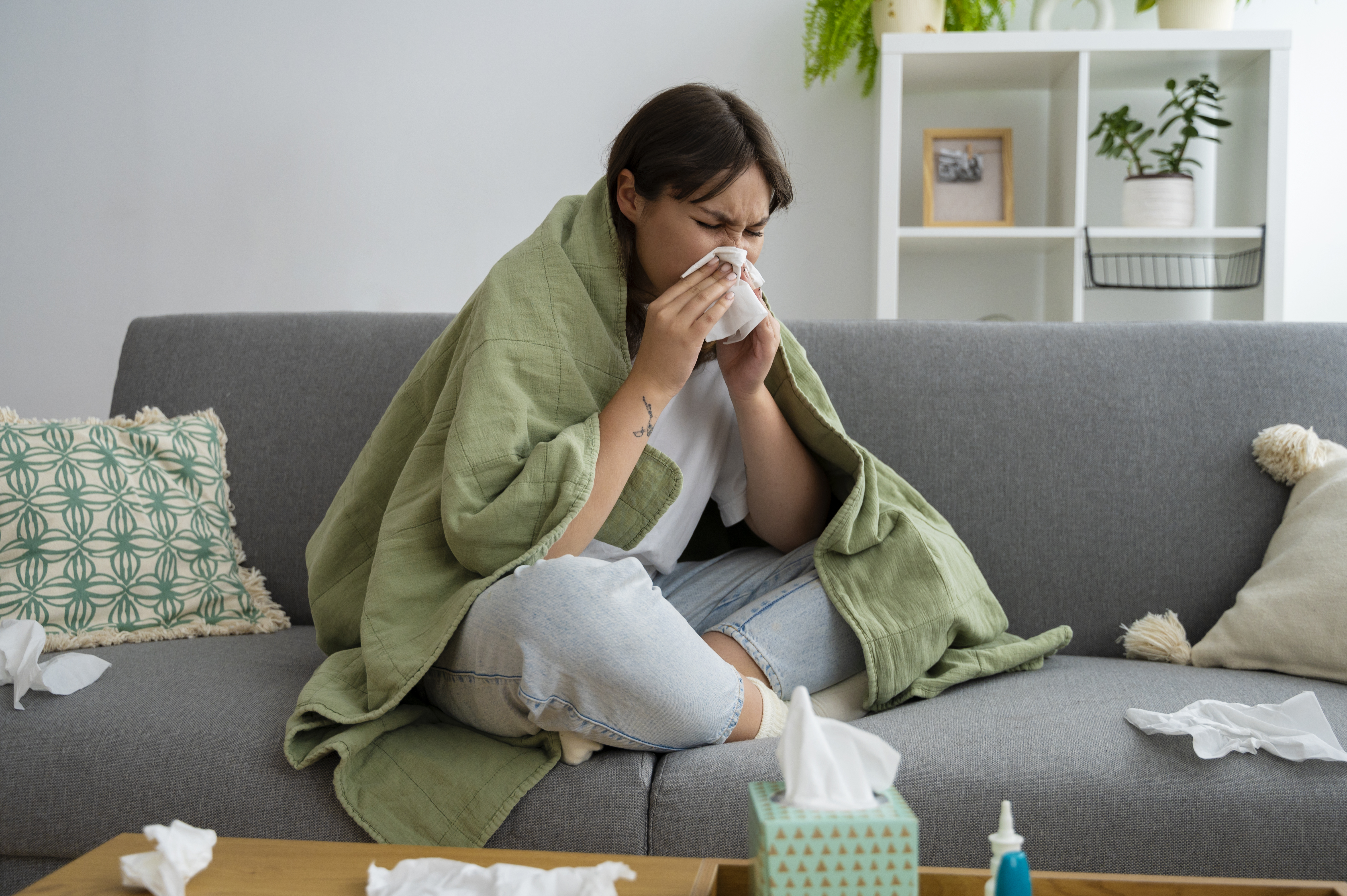
Hay fever, also called allergic rhinitis, can make everyday life feel harder than it should. One day it is “just sneezing,” and the next it is a stuffy nose, itchy eyes, poor sleep, and a constant need for tissues. If you live in Forest Hills, Astoria, Ozone Park, and Jamaica, NY, symptoms can flare during local pollen seasons and also from indoor triggers like dust mites or pet dander. (1-3)
At Allergy, Asthma, and Eczema Care, hay fever treatment is offered in a patient-centered way, with the goal of helping you breathe easier and feel more like yourself again. We care for patients across Queens and nearby areas, so it is common to see people coming in from neighborhoods like Forest Hills, Astoria, Ozone Park, and Jamaica, NY who are dealing with the same seasonal and year-round allergy triggers.
What is hay fever (allergic rhinitis)?
Hay fever is an allergy problem that affects the inside lining of the nose and often the eyes. When you breathe in allergens like pollen or dust, your immune system may overreact and release chemicals such as histamine, which causes sneezing, congestion, and itching. (1, 2)
Hay fever is not caused by hay and it is not a fever. It is a type of allergy reaction, and it can be seasonal, year-round, or both.
What causes hay fever symptoms?
Hay fever symptoms are usually triggered by airborne allergens, and triggers can change based on the season and your environment. Common causes include:
- Tree pollen (often spring)
- Grass pollen (often late spring and summer)
- Weed pollen (often late summer and fall)
- Dust mites (common indoors year-round)
- Mold spores (indoors or outdoors)
- Pet dander (cats and dogs) (1–3)
In Queens and the Forest Hills area, many patients notice symptoms during peak pollen seasons, but indoor triggers can also cause persistent congestion throughout the year.
How is hay fever diagnosed?
Hay fever is often diagnosed through a combination of symptom history and evaluation. If symptoms are frequent, disruptive, or not responding well to over-the-counter treatment, allergy testing may be recommended to identify triggers. (1, 2)
Evaluation may include:
- Reviewing when symptoms happen, such as seasonal patterns or indoor exposure
- Discussing home and work triggers like pets, dust, or mold
- Skin prick testing or blood testing to identify specific allergens (2, 3)
Knowing your triggers can help guide treatment choices and reduce unnecessary trial and error.
What treatments help hay fever feel better?
Hay fever treatment usually works best when it combines symptom relief with trigger control. Treatment options may include:
- Nasal corticosteroid sprays, which reduce inflammation inside the nose (1–3)
- Second-generation antihistamines, often less sedating than older options (1, 2)
- Antihistamine eye drops for itchy or watery eyes (1, 2)
- Nasal antihistamine sprays for faster symptom relief in some patients (1, 2)
- Saline rinses to wash out pollen, dust, and mucus (2)
- Allergen immunotherapy, such as allergy shots, for long-term reduction in sensitivity for certain patients (2, 3)
Your best option depends on symptom severity, triggers, and whether symptoms are seasonal or year-round.
What can I do at home to reduce hay fever triggers?
Small daily changes can make a big difference, especially during pollen season. Helpful strategies include:
- Keeping windows closed on high pollen days
- Showering and changing clothes after being outdoors
- Using a HEPA air filter in bedrooms when possible
- Washing bedding regularly in hot water to reduce dust mites
- Fixing water leaks and reducing indoor humidity to help prevent mold
- Keeping pets out of bedrooms if pet dander is a trigger (1–3)
These steps do not replace medical treatment, but they can reduce the amount of allergen your body has to deal with.
Why Choose Allergy, Asthma, and Eczema Care in Forest Hills, Astoria, Ozone Park, and Jamaica, NY for Hay Fever Treatment?
At Allergy, Asthma, and Eczema Care in Forest Hills, Astoria, Ozone Park, and Jamaica, NY, we provide patient-centered evaluation and treatment for hay fever, with a focus on reducing symptoms and identifying triggers that may be driving inflammation. Because hay fever often overlaps with asthma, sinus issues, or eczema, our approach considers the full picture of your allergy health.
Whether you live in Forest Hills, Astoria, Ozone Park, and Jamaica, NY, our team is committed to offering clear explanations and evidence-based options to help you breathe easier, sleep better, and feel more comfortable during allergy season and beyond.
Take the First Step Toward Better Health
Whether you're seeking Hay Fever, or looking for clarity about what may be triggering your reactions, let Allergy, Asthma, and Eczema Care of Queens be your trusted partner in care.
Experience care that’s personal, proactive, and centered around you.
References:
1. Bousquet, J., Khaltaev, N., Cruz, A. A., Denburg, J., Fokkens, W. J., Togias, A., … Zuberbier, T. (2008). Allergic rhinitis and its impact on asthma (ARIA) 2008 update. Allergy, 63(Suppl 86), 8–160.
2. Brożek, J. L., Bousquet, J., Agache, I., Agarwal, A., Bachert, C., Bosnic-Anticevich, S., … Schünemann, H. J. (2017). Allergic rhinitis and its impact on asthma (ARIA) guidelines 2016 revision. Journal of Allergy and Clinical Immunology, 140(4), 950–958.
3. Dykewicz, M. S., Wallace, D. V., Baroody, F., Bernstein, J., Craig, T., Finegold, I., … Joint Task Force on Practice Parameters. (2020). Rhinitis 2020 practice parameter update. Journal of Allergy and Clinical Immunology, 146(4), 721–767.
Access The Convenient Care You Deserve
Get In Touch
Call, click, or visit — we’re here to help!
112-03 Queens Blvd Suite 209 Forest Hills, New York 11375
Get In Touch
Call, click, or visit — we’re here to help!
2381 38th Street, Astoria, NY 11106
Get In Touch
Call, click, or visit — we’re here to help!
10721 Queens Blvd Suite 2 (temporarily Suite 6) Forest Hills, NY 11375
Get In Touch
Call, click, or visit — we’re here to help!
100-02 Rockaway Blvd Second Floor, Ozone Park, NY 11417
Get In Touch
Call, click, or visit — we’re here to help!
147-17 Jamaica Ave, Jamaica, NY 11435
Our Promise to You
To provide advanced, personalized care with skill, compassion, and respect—every time you visit. You’re not just a condition to treat; you’re a whole person with unique goals and challenges, and we’re here to help you overcome them.
We’re committed to serving our community with integrity and heart, combining innovation with genuine connection—because true healing goes beyond checklists.


© 2026 Allergy, Asthma, and Eczema Care of Queens | Accessibility | Terms & Conditions | Privacy Policy | Powered by DoctoGrow