Looking for Allergy, Asthma, or Eczema Care?
Rashes & Contact Dermatitis
Rashes & Contact Dermatitis at Allergy, Asthma, and Eczema Care of Queens in Forest Hills, Astoria, Ozone Park, and Jamaica, NY
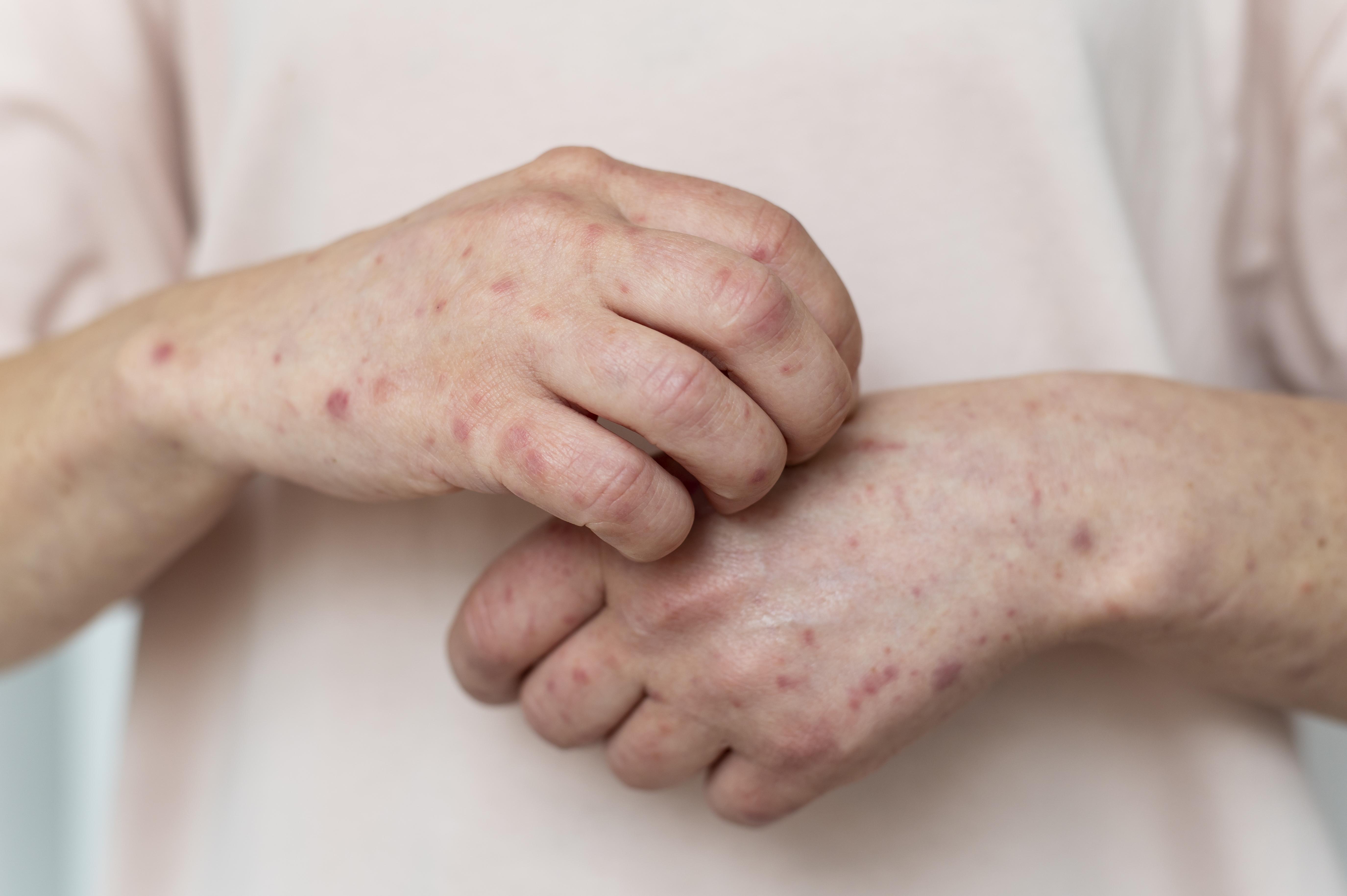
At Allergy, Asthma, and Eczema Care in Forest Hills, Astoria, Ozone Park, and Jamaica, NY, we understand how stressful and uncomfortable rashes can be. A rash can itch, burn, sting, or feel embarrassing, especially when it shows up on the face, hands, or other visible areas. One common cause of rash is contact dermatitis, which happens when your skin reacts to something it touched, like a fragrance, soap, metal, or cleaning product. If you are dealing with repeated rashes or skin irritation, it may be time to get a clearer understanding of what is triggering your symptoms. (1–3)
Our practice, conveniently located in Forest Hills, serves patients not only from Forest Hills, Astoria, Ozone Park, and Jamaica, NY. Because rashes can have many causes, including allergies, irritation, infections, or eczema, it helps to have a careful medical evaluation. The goal is to relieve symptoms, protect the skin barrier, and identify possible triggers so you can avoid repeat flare-ups and feel more comfortable in your skin. (1–4)
What is contact dermatitis?
Contact dermatitis is a type of skin rash that happens when your skin reacts after touching something. It can look red, dry, scaly, or swollen, and it often feels itchy or irritated.
There are two main types:
- Irritant contact dermatitis: This happens when something damages your skin, like harsh soap, hand sanitizer, or cleaning chemicals.
- Allergic contact dermatitis: This happens when your immune system reacts to a specific substance, like nickel, fragrance, or certain preservatives. (1, 2)
Contact dermatitis is not contagious, which means you cannot “catch it” from someone else.
What causes rashes and contact dermatitis?
Rashes can be caused by many different things, and sometimes more than one factor is involved. Common triggers for contact dermatitis and similar rashes include:
- Fragrances in soaps, lotions, and detergents
- Metals like nickel (often in jewelry, belts, and buttons)
- Hair dyes and cosmetic products
- Cleaning products and disinfectants
- Rubber, latex, or adhesives
- Plant exposures like poison ivy
- Topical antibiotics or over-the-counter creams in some people (1–3)
People with eczema or sensitive skin may be more likely to develop irritation because their skin barrier is easier to disrupt. (4)
How can I tell if my rash might be contact dermatitis?
Contact dermatitis often has clues that help separate it from other skin conditions. Signs that may suggest contact dermatitis include:
- The rash appears where something touched your skin, such as wrists (watch), ears (earrings), or hands (soaps and cleaners).
- Symptoms start after using a new product or being exposed to a new substance.
- The rash is itchy, dry, cracked, or inflamed and may blister in more severe cases.
- he rash improves when you stop using the suspected trigger. (1, 2)
Even when it seems obvious, skin reactions can overlap with eczema, hives, fungal infections, or other rashes. That is why medical evaluation can be helpful.
How are rashes and contact dermatitis evaluated?
Evaluating a rash usually starts with a detailed history and a close look at the skin. Your clinician may ask about what products you use, when the rash started, and where it appears. Depending on your symptoms, evaluation may include:
- Review of possible irritants or allergens at home, school, or work
- Guidance on stopping suspected triggers to see if symptoms improve
- Patch testing in certain cases to identify allergic contact dermatitis triggers (this is different from skin prick testing for environmental allergies) (2, 3)
- Consideration of other causes of rash if symptoms do not fit contact dermatitis (1)
The goal is to identify patterns and narrow down likely triggers in a practical, patient-friendly way.
What treatments are commonly used for contact dermatitis?
Treatment for contact dermatitis usually focuses on calming inflammation and protecting your skin so it can heal. Options may include:
- Avoiding the suspected trigger or irritant
- Using gentle, fragrance-free moisturizers to support the skin barrier
- Topical corticosteroids (anti-inflammatory creams) for flares when appropriate (1, 4)
- Non-steroidal anti-inflammatory creams in certain situations (4)
- Antihistamines for itch relief in some patients, especially at night (1)
Because every rash is different, treatment recommendations depend on the rash location, severity, and likely trigger.
Why Choose Allergy, Asthma, and Eczema Care in Forest Hills, Astoria, Ozone Park, and Jamaica, NY for Rashes and Contact Dermatitis?
At Allergy, Asthma, and Eczema Care in Forest Hills, Astoria, Ozone Park, and Jamaica, NY, we provide patient-centered evaluation and treatment for rashes and contact dermatitis, with careful attention to identifying possible triggers and calming irritated skin. Because rashes can be caused by many different factors, our approach focuses on understanding your symptoms, daily exposures, and skin history to help guide effective care.
Whether you live in Forest Hills, Astoria, Ozone Park, and Jamaica, NY, our team is committed to offering clear explanations, evidence-based options, and supportive care. Our goal is to help reduce flare-ups, improve skin comfort, and support long-term skin health so rashes interfere less with your daily life.
Take the First Step Toward Better Health
Whether you're seeking Rashes & Contact Dermatitis, or looking for clarity about what may be triggering your reactions, let Allergy, Asthma, and Eczema Care of Queens be your trusted partner in care.
Experience care that’s personal, proactive, and centered around you.
References:
1. Fonacier, L., Bernstein, D. I., Pacheco, K., Holness, D. L., Blessing-Moore, J., Khan, D., … Lang, D. (2015). Contact dermatitis: A practice parameter update 2015. Journal of Allergy and Clinical Immunology: In Practice, 3(3), S1–S39.
2. Lachapelle, J. M., & Maibach, H. I. (2018). Patch testing and allergic contact dermatitis: Current best practices. Dermatitis, 29(1), 1–12.
3. Thyssen, J. P., & Johansen, J. D. (2020). Contact dermatitis: Causes and epidemiology. Allergy, 75(1), 14–26.
4. Eichenfield, L. F., et al. (2017). Guidelines of care for the management of atopic dermatitis. Journal of the American Academy of Dermatology, 76(3), 491–539.
Access The Convenient Care You Deserve
Get In Touch
Call, click, or visit — we’re here to help!
112-03 Queens Blvd Suite 209 Forest Hills, New York 11375
Get In Touch
Call, click, or visit — we’re here to help!
2381 38th Street, Astoria, NY 11106
Get In Touch
Call, click, or visit — we’re here to help!
10721 Queens Blvd Suite 2 (temporarily Suite 6) Forest Hills, NY 11375
Get In Touch
Call, click, or visit — we’re here to help!
100-02 Rockaway Blvd Second Floor, Ozone Park, NY 11417
Get In Touch
Call, click, or visit — we’re here to help!
147-17 Jamaica Ave, Jamaica, NY 11435
Our Promise to You
To provide advanced, personalized care with skill, compassion, and respect—every time you visit. You’re not just a condition to treat; you’re a whole person with unique goals and challenges, and we’re here to help you overcome them.
We’re committed to serving our community with integrity and heart, combining innovation with genuine connection—because true healing goes beyond checklists.


© 2026 Allergy, Asthma, and Eczema Care of Queens | Accessibility | Terms & Conditions | Privacy Policy | Powered by DoctoGrow